
Student stress: How to recognise it early and support students during high-pressure times

With nearly a third of UK secondary pupils avoiding school due to anxiety, student stress is now a significant and visible challenge across education. While some level of pressure is a normal and even motivating part of schooling, sustained stress can begin to affect attendance, behaviour, engagement, and ultimately a young person’s ability to access learning.
The NHS recognises stress as a natural response to pressure, but also highlights that when it becomes prolonged, it can lead to anxiety, sleep disruption, concentration difficulties, and physical symptoms such as fatigue or headaches.
According to their recent survey, around 1 in 5 children and young people aged 8 to 25 had a probable mental disorder, including anxiety and depression-related conditions. While these figures do not isolate “student stress” alone, they clearly indicate rising pressure and anxiety among school-aged children.
One of the most important challenges in recognising student stress is that it is not always visible, and in school environments, its signs are often subtle or misinterpreted.
Some students respond to stress by becoming quieter and less engaged, while others overcompensate through perfectionism or excessive focus on academic performance. In both cases, the outward behaviour may not immediately signal distress.
What is student stress? Common signs to look for
Student stress does not usually appear in one clear or immediate way. Sometimes, it may stem from conditions such as pathological demand avoidance, while others may experience it due to the cumulative pressure of academic expectations, social dynamics, or major life transitions.
More often, it builds gradually and shows up through small changes in behaviour, engagement, and wellbeing over time. These signs can be easy to miss in isolation, but when they appear in patterns, they often indicate that a student is struggling to manage pressure effectively.
Recognising these early indicators is essential for timely support. The following examples outline common signs of student stress that schools may observe across attendance, behaviour, learning, emotional wellbeing, and physical presentation.
Attendance and engagement
- Increasing absence or lateness, especially without clear medical reasons.
- Avoidance of specific lessons, subjects, or school days
- Reduced participation in class discussions or group work
- Decline in homework completion or engagement with independent learning
Behavioural changes
- Withdrawal from peers or previously enjoyed activities
- Increased irritability, frustration, or emotional sensitivity
- Sudden changes in behaviour or attitude towards school
- Overly compliant or perfectionist behaviour driven by fear of failure
Academic indicators
- Drop in academic confidence (“I can’t do this”, “I’m not good enough”)
- Avoidance of challenging tasks or risk-taking in learning
- Reduced concentration or difficulty focusing in lessons
- Slower completion of work or excessive time spent on tasks
Emotional signs
- Anxiety, low mood, or appearing overwhelmed
- Increased tearfulness or emotional reactions to feedback
- Signs of panic or distress around deadlines or assessments
- Lack of motivation or disengagement from future goals
Physical symptoms
- Frequent headaches or stomach aches with no clear medical cause
- Fatigue or low energy in school
- Sleep difficulties or reports of being tired in lessons
- Increased visits to the school nurse or requests to leave class

Why exam and assessment periods increase stress
While student stress can develop at any point in the year, it is most commonly intensified during high-pressure academic periods such as exams, mock assessments, and coursework deadlines. Research from UCL has shown that higher levels of academic pressure at age 15 are associated with a 25% higher risk of depression and an 8% higher risk of self-harm in later adolescence and early adulthood.
While this does not mean exams directly cause mental health conditions, it does highlight the strong association between academic pressure and long-term wellbeing outcomes. During exam seasons, students typically experience multiple overlapping pressures, including increased workload, reduced downtime, heightened expectations, and uncertainty about future pathways. For many, this combination can become overwhelming.
The impact of unmanaged student stress
When student stress is not identified early, the impact often extends beyond wellbeing and begins to affect educational access. One of the most common outcomes is reduced attendance. Students may begin by missing individual lessons, but this can gradually escalate into persistent absence, particularly when anxiety becomes linked to specific environments or expectations.
As attendance declines, gaps in learning emerge. These gaps can increase anxiety further, as students feel less confident in their ability to re-engage with missed content. This creates a cycle where stress leads to absence, and absence reinforces stress.
Early intervention: what schools can do to minimise student stress
Supporting students experiencing stress is most effective when intervention is early, consistent, and proportionate to need. The goal is not to reduce academic expectations, but to prevent stress from becoming a barrier to engagement in learning.
1. Consistent adult check-ins
One of the most effective protective factors is stable contact with teachers and trusted mentors. Schools can implement regular, informal check-ins with key staff such as form tutors, pastoral leads, or learning mentors. These do not need to be formal meetings. The value lies in creating predictable opportunities to notice small changes in attendance, behaviour, or emotional regulation before they escalate into disengagement.
2. Early identification through behaviour and attendance patterns
Stress is often first visible through patterns rather than single incidents. Schools can strengthen early intervention by actively tracking:
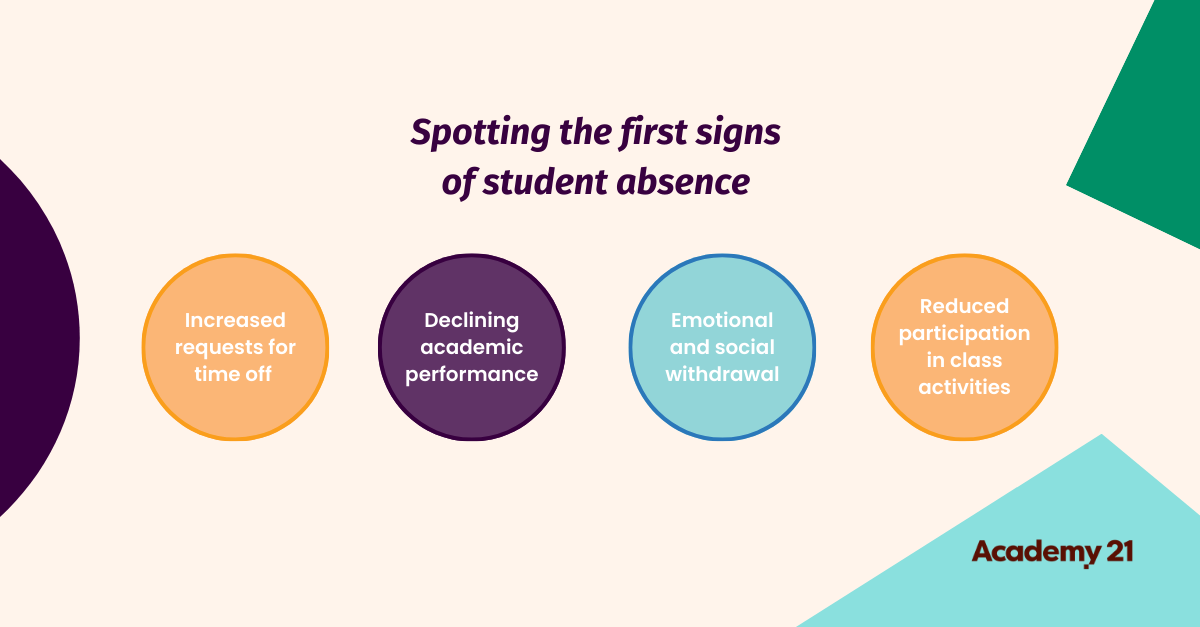
- gradual changes in attendance or punctuality
- withdrawal from classroom participation
- avoidance of specific lessons or tasks
- reduced engagement with feedback or independent work
When viewed together, these patterns are often more reliable indicators of stress than isolated behaviours.
3. Practical curriculum adjustments to reduce overload
Early support strategies, such as breaking tasks into manageable steps, improving time management, and encouraging healthy routines like getting enough sleep and exercising, are critical. In a school setting, this can be applied by:
- breaking extended tasks into clear, staged components
- providing structured success criteria to reduce ambiguity
- scaffolding revision or independent learning planning
- offering temporary flexibility with deadlines where stress is significantly affecting engagement
These adjustments maintain academic expectations while reducing unnecessary cognitive overload.
4. Strengthening communication between staff
Early intervention is more effective when information is shared. Ensure consistent communication between subject teachers, pastoral teams, and safeguarding staff, and build a clearer picture of a student’s experience across different contexts, rather than relying on isolated observations from individual lessons.
5. Normalising conversations about stress
School culture plays a critical role in whether students seek support early. When stress is treated as a normal and manageable part of learning, students are more likely to disclose difficulties before they escalate. This can be reinforced through:
- consistent language around pressure and workload
- clear messaging that support is available early, not only at crisis point
- embedding wellbeing conversations into routine pastoral structures
The aim is to reduce stigma and prevent silent withdrawal through consistent, thoroughly embedded relational practice.
6. Knowing when in-school support is not enough
While early intervention strategies are effective for many students, there are cases where stress becomes sustained and begins to significantly impact attendance and access to learning. In these situations, schools may need to consider more structured support pathways to maintain continuity of education. This is particularly relevant when stress contributes to persistent absence or repeated disengagement from mainstream classroom environments.
The role of structured Alternative Provision
For some students, stress becomes a barrier to consistently accessing mainstream education. This does not necessarily reflect ability or motivation, but rather the impact of anxiety or overwhelm in a traditional school environment.
In these cases, structured Alternative Provision can help maintain continuity of education while reducing barriers to engagement. Academy21 is the UK’s leading online AP provider, working with schools, MATs, and local authorities to support students who cannot access mainstream education due to anxiety, medical needs, or other barriers to attendance.
Through live, teacher-led lessons delivered online, students can remain connected to the curriculum in a structured, supportive environment, maintaining continuity in their learning even when attendance in a physical classroom is temporarily not possible.
Importantly, we offer a range of fully flexible, tailored solutions so that students can regain confidence in themselves and their learning, including Enhanced Support Services such as anxiety management courses or wellbeing mentoring. Pastoral development is just as important as academic development, so we work with schools to provide each student the support they need, when they need it, and all our teachers are highly experienced in supporting a range of needs.
If your students are experiencing high levels of stress or are at risk of falling behind, we can help. Reach out to our team to discuss your needs and the best path forward.