Screen time: Why we must prioritise intentional engagement over screen limits
Open almost any news outlet or scroll through a parent forum, and you will encounter the same prevailing warning: children are spending far too much time on screens.
It is an understandable worry. According to recent data from Ofcom, children aged 8 to 14 in the UK spend an average of 3 hours and 36 minutes online every day, rising dramatically to over 6 hours a day for 15- to 17-year-olds. Faced with these staggering numbers, it is easy to see why “screen time” has become a concern in modern parenting and educational discourse.
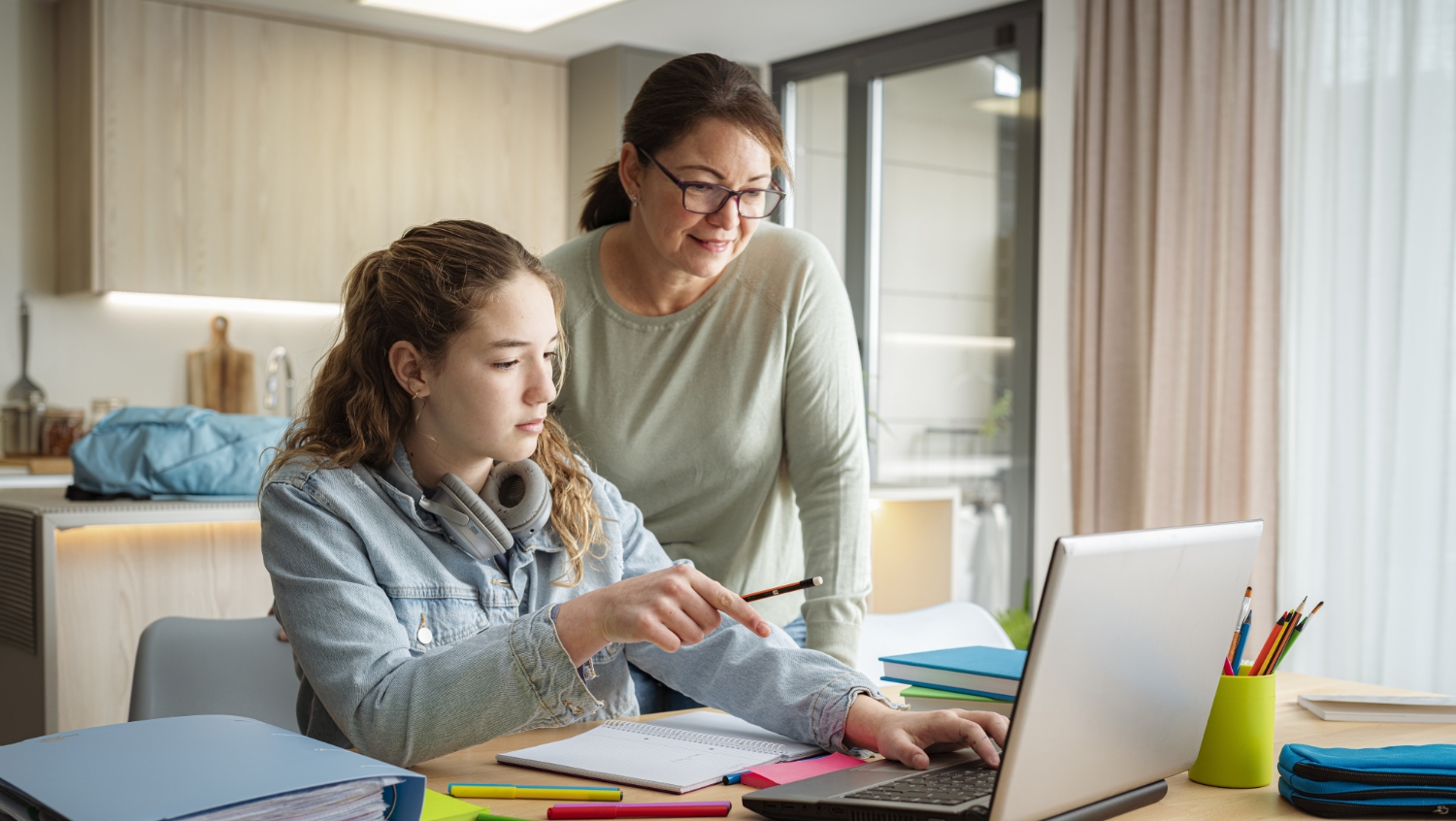
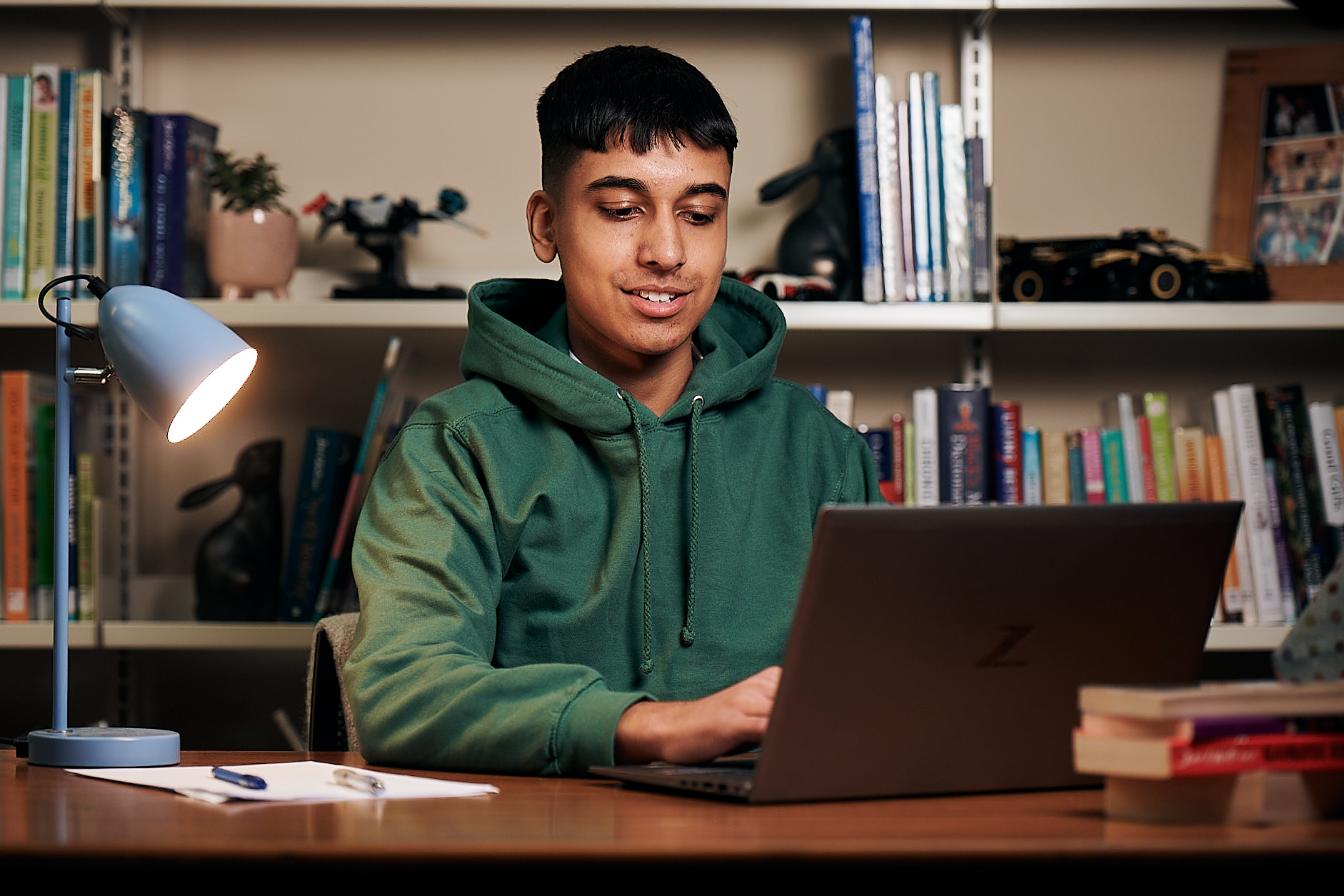
However, measuring technology use purely by hours spent looking at a glass display is fundamentally flawed. Treat all screen time as identical, and you equate a teenager scrolling through short-form social media videos with a student collaborating on a live interactive whiteboard, building code, or mastering high-level mathematics through a real-time digital classroom.
At Academy21, we see every day how technology, when harnessed purposefully, transforms learning outcomes, especially for young people who require an alternative to traditional, physical school environments.
To foster healthy, future-ready young people, we must shift the conversation away from rigid minute-counting and focus on the quality of engagement. Here’s why passive consumption and active digital learning are so disparate.
What is passive screen time?
Passive screen time occurs when a young person consumes digital media with little cognitive, social, or physical interaction. It is characterised by minimal input and maximum reception. Examples include:
- Infinite scrolling on platforms like TikTok, Instagram, or Short-form feeds.
- Watching video streams on auto-play.
- Playing repetitive, low-challenge mobile games that rely on rapid dopamine hits rather than problem-solving.
Among children who use online services, 65% primarily consume and respond to content, while only 34% actively create it.
The cognitive cost of passive consumption
When a child “doomscrolls” – a colloquial term for compulsively flipping through a continuous stream of short, high-stimulation posts – their brain is subjected to rapid shifts in focus without deep engagement.
Recent studies highlight a direct negative link between excessive passive screen time and sustained attentional capacity. Passive viewing triggers small dopamine surges with each new video or image, conditioning the brain to expect instant novelty. Over time, this makes low-stimulation, high-effort tasks, such as reading a textbook, analysing an essay prompt, or working through a multi-step equation, feel frustratingly slow.
Moreover, passive screen time often leads to what some have termed a “zombie scroll” state: an isolated, low-effort condition linked to elevated anxiety, poor sleep hygiene, and reduced emotional well-being. When screen use replaces sleep, physical activity, or meaningful human interaction, it actively hinders a child’s development.
What is active screen time?
If passive consumption drains energy and dilutes focus, active screen time does something different: it stimulates curiosity, builds agency, and deepens understanding.
Active screen time requires deliberate cognitive, creative, or social participation. Instead of merely viewing content, the user shapes, responds to, or builds with it. Examples include:
- Engaging in live, two-way online education.
- Writing, coding, digital art, or video editing.
- Solving complex problems, conducting virtual lab experiments, or analysing real-world data sets.
- Communicating and collaborating with peers and educators in structured, safe online spaces.
Educational research consistently shows that passive listening or watching yields poor long-term retention. In traditional lecture settings, students typically retain only 5% to 10% of what they hear. Conversely, active learning, in which students apply concepts, answer real-time questions, and collaborate, boosts retention rates by up to 75%. When a screen becomes a tool for active participation, it stops being a distraction and becomes an engine for intellectual growth.
The power of purposeful technology in alternative provision
The distinction between active and passive technology is nowhere more vital than in Alternative Provision.
For young people who have struggled in mainstream settings, whether due to Special Educational Needs and Disabilities (SEND), Social, Emotional and Mental Health (SEMH) challenges, medical conditions, or school-based anxiety, traditional classrooms can sometimes feel overwhelming. For these learners, well-designed digital environments offer a transformative alternative.
At Academy21, technology is never used as a passive repository of pre-recorded lectures. Instead, our fully DfE-accredited online AP is built specifically for active, relational learning:
- Live, Real-Time Interaction: Every lesson is led live by subject-specialist teachers. Students aren’t watching a recording; they are participating in a structured classroom, guided by an expert and interactive activities, and their inputs matter.
- Psychologically Safe Engagement: For students recovering from severe anxiety or school trauma, speaking up in front of a physical class of 30 peers can be terrifying. Our interactive platform allows students to engage via text chat, digital hand-raising, interactive polls, or onscreen drawing tools, gradually rebuilding their academic confidence at a pace that works for them. Plus, our classes are always small, with only up to 15 pupils.
- Trauma-Informed Pedagogy: Our teachers are trained to use active digital tools to read the room, adapt pace instantly, and ensure no student is left behind. They are also trained in relational and trauma-informed practices so they can build rapport with students and make them feel comfortable and safe.
When a student moves from being a passive recipient of information to an active contributor in a safe digital space, their entire relationship with learning changes.

Reframing the narrative: from "limits" to "digital health"
As parents, carers, school leaders, and commissioners, how do we shift our approach from an endless battle over screen limits to a healthier model of digital engagement?
1. Evaluate quality, not just hours
Instead of asking only, “How many hours were you online today?” start asking, “What were you doing while you were online?” A student who spends two hours coding a game, researching a history project, or attending an online science class has had a radically different cognitive experience than one who spent two hours scrolling through viral video feeds.
2. Audit the digital diet
Think of screen time like nutritional intake. A balanced diet can include a little “junk food” (downtime, watching a favourite creator), but it must be anchored by nutrient-rich, active consumption (learning, creating, connecting). Help young people recognise how they feel after an hour of doomscrolling (often drained, anxious, unfocused) versus an hour of active creation or learning (energised, accomplished).
3. Encourage digital creation
Guide young people toward active creation tools. Encourage them to try digital illustration, music production, basic coding, or video editing. According to Ofcom data, over 56% of children aged 8 to 17 are now engaging with generative AI tools, often using them as creative co-pilots for learning and problem-solving. Empowering kids to use technology as creators rather than consumers builds critical, future-ready skills.
4. Champion structured, high-quality online provision
For schools and local authorities commissioning alternative provision, quality digital infrastructure is paramount. Effective online AP must prioritise small class sizes, high teacher interaction, real-time feedback, and robust safeguarding – ensuring that every minute a vulnerable learner spends on screen is a minute spent actively progressing toward their qualifications and reintegration goals.
Empowering future-ready learners
Technology is an inescapable, permanent feature of modern life. Banning screens entirely is neither practical nor beneficial; young people need digital fluency to thrive in higher education and the modern workforce.
The solution to the “screen time crisis” isn’t demonising technology – it is teaching our children how to master it. By helping young people swap mindless doomscrolling for active, interactive, and creative digital learning, we can transform screens from passive distractions into tools of empowerment, inclusion, and academic success.
To learn more about how Academy21 uses interactive, live online learning to support vulnerable learners across the UK, contact our team.