
Preparation for Adulthood (PfA): How to equip young people with skills for life

What should schools teach young people to prepare them for adult life? According to a recent BBC survey, teenagers want more practical support with everything from finding work to managing money and looking after their mental health.
The BBC research surveyed 2,000 young people aged 13 to 18 across the UK. It found that 44% wanted more work experience opportunities at school, while 43% wanted more help managing their finances. Others highlighted the need for better guidance on job applications (42%), stress and mental health (39%), and communication skills (38%).
These findings raise an important question for educators: are we doing enough to prepare students for the responsibilities, choices and challenges they will face after leaving school?
Preparation for adulthood (PfA) plays a vital role in helping young people develop the knowledge, independence and confidence they need for their next steps. For students with SEND, effective preparation is particularly important to support a successful transition into further education, employment, and adult life.
What is preparation for adulthood (PfA)?
Preparation for adulthood refers to the support, education and experiences that help young people develop the skills they need to lead fulfilling adult lives.
Within England’s SEND framework, preparation for adulthood is organised around four key outcomes:
- Education and employment: Supporting young people to explore further education, training, apprenticeships and career opportunities.
- Independent living: Developing practical skills, confidence and the ability to make informed decisions about everyday life.
- Friends, relationships and community inclusion: Helping young people build relationships, participate in their communities and understand their rights and responsibilities.
- Good health: Supporting physical and emotional wellbeing, healthy lifestyles and the ability to access appropriate services.
These four outcomes provide a useful framework for schools and education providers when planning meaningful transitions.
For young people with an Education, Health and Care Plan (EHCP), preparation for adulthood must form part of the annual review process from Year 9 onwards. However, schools should begin developing these skills much earlier, giving students opportunities to build independence and explore their aspirations throughout their education.
Why is preparation for adulthood important?
The transition from school to adult life can bring considerable uncertainty. Young people must make decisions about their education, future careers, finances and personal responsibilities, often while navigating changes in their social lives and wellbeing.
Recent BBC findings suggest many teenagers recognise gaps in their practical knowledge and want schools to help address them. Some students may have missed opportunities to develop social confidence, experience different learning environments or explore career pathways. Others may need more time, tailored teaching or additional support to develop independence.
An effective preparation-for-adulthood approach should therefore reflect each student’s needs, strengths, and ambitions. This is also an area where schools and wider services need to work together.
In its 2024 thematic review of preparation for adulthood arrangements, Ofsted and the Care Quality Commission identified inconsistent transition planning and gaps in coordination between education, health and social care services.
The review reinforced the importance of early planning, listening to young people’s aspirations and providing coordinated support as they approach adulthood.
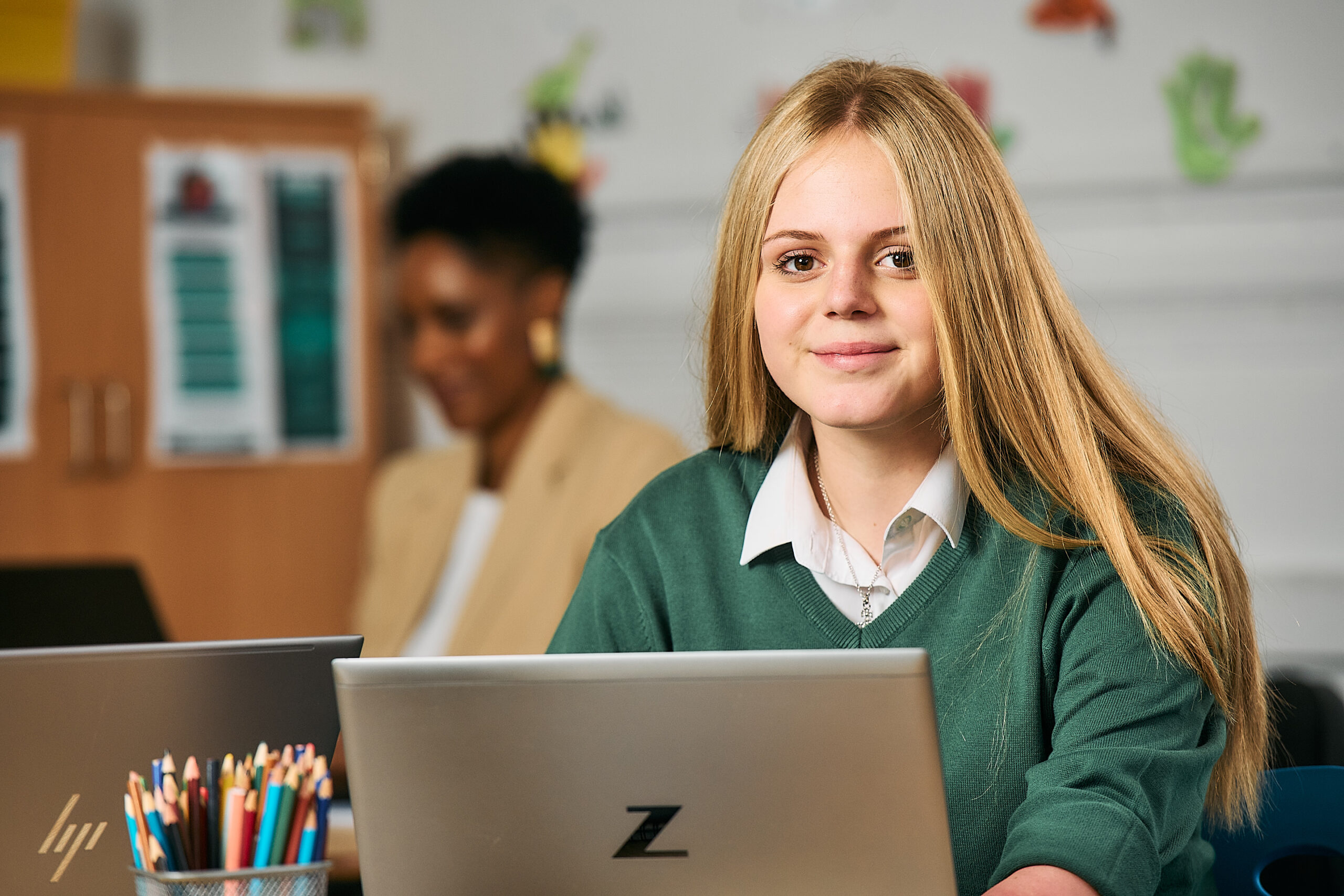
6 essential skills for preparing students for adulthood
1. Careers education and employability skills
Careers education helps students understand the opportunities available to them and make informed choices about their future. Schools can support career readiness by introducing students to different industries, qualifications and routes into employment, including apprenticeships, T Levels and higher education.
Practical activities such as CV writing, interview preparation, employer encounters and career planning can also help students build confidence. Alongside careers knowledge, students need transferable employability skills, including communication, teamwork, problem-solving and adaptability.
2. Independence and practical life skills
Learning to manage everyday responsibilities is an important part of preparation for adulthood. Students benefit from opportunities to practise organisation, time management, decision-making and self-advocacy. These skills help them navigate further education, employment and daily life with greater confidence.
Schools can develop independence through structured projects, individual learning goals and activities that encourage students to take responsibility for their work. For some young people, independence may also involve learning how to use public transport, access community services or communicate their support needs.
3. Financial literacy and money management
Budgeting and understanding everyday expenses are practical skills that young people will use throughout adulthood. Schools can introduce financial education through real-world examples, helping students understand:
- How to create and manage a budget.
- The difference between essential spending and discretionary purchases.
- Saving, borrowing and managing debt.
- Income, payslips and basic taxation.
- Financial planning and responsible decision-making.
Embedding financial literacy in maths, PSHE, and careers education can help students connect classroom learning to situations they may face after leaving school.
4. Emotional wellbeing and resilience
Preparing for adulthood also involves learning how to manage challenges, maintain healthy relationships and seek support when needed.
Young people may experience anxiety about examinations, career choices, financial pressures or changes to their routines and support networks. Schools can help by teaching emotional regulation, stress management, healthy coping strategies and communication skills.
PSHE education and wellbeing programmes provide opportunities to explore mental health, personal safety, relationships and healthy lifestyles in an age-appropriate way.
5. Citizenship, relationships and community participation
Young people need opportunities to understand their rights and responsibilities, develop positive relationships and participate in society. Citizenship education can help students explore democracy, government, the legal system, equality and human rights.
Learning about different cultures, experiences and perspectives can also help young people develop empathy and understand the communities they live in.
6. Digital literacy and online safety
Digital skills are increasingly important for further education, employment and independent living. Students need to use technology effectively, evaluate online information, and protect themselves in digital environments. This includes developing awareness of online safety, digital footprints, data privacy and professional communication.
The changing workplace also creates new challenges. In the BBC survey, 32% of respondents felt schools were preparing them poorly for the future of work amid AI and emerging technologies. Schools can help students respond to these changes by developing digital confidence alongside critical thinking, creativity and responsible technology use.
Students who learn online have a unique opportunity to familiarise themselves with technology and develop digital skills, which are incredibly valuable in the workplace.

How does Academy21 support preparation for adulthood?
At Academy21, preparation for adulthood is an important part of our curriculum and approach to student development. As a DfE-accredited online alternative provision, we support young people who face barriers to accessing education. We recognise that students need opportunities to develop academic knowledge alongside the personal, social and practical skills that will support their future. Our curriculum incorporates preparation for adulthood through several areas of learning.
Careers education and future aspirations
From Key Stage 2 through to Key Stage 4, our careers education helps students explore their interests, strengths and future opportunities. Students learn about employment sectors, labour market trends, apprenticeships, T Levels, and pathways to further and higher education.
Our approach also includes employer encounters, virtual careers fairs, work experience opportunities and interview preparation, alongside career planning through platforms such as Unifrog. These experiences help students understand their options and make informed decisions about their next steps.
Independence and employability
Our Study Skills curriculum helps students develop organisation, time management, communication, resilience and self-reflection. Through independent projects, presentations, enterprise activities and workplace scenarios, students have opportunities to practise skills that can support their progression into further education and employment.
Financial literacy and practical readiness
Financial education forms part of our wider curriculum, with students exploring budgeting, saving, spending, income and financial decision-making.
Careers education and real-world learning activities help students apply this knowledge to situations they may encounter as adults.
Personal development and wellbeing
Our PSHE, wellbeing and reintegration programmes help students develop emotional awareness, resilience and healthy coping strategies.
We place particular importance on supporting confidence and engagement, recognising that students accessing alternative provision may have experienced challenges with attendance, wellbeing or their previous educational experiences.
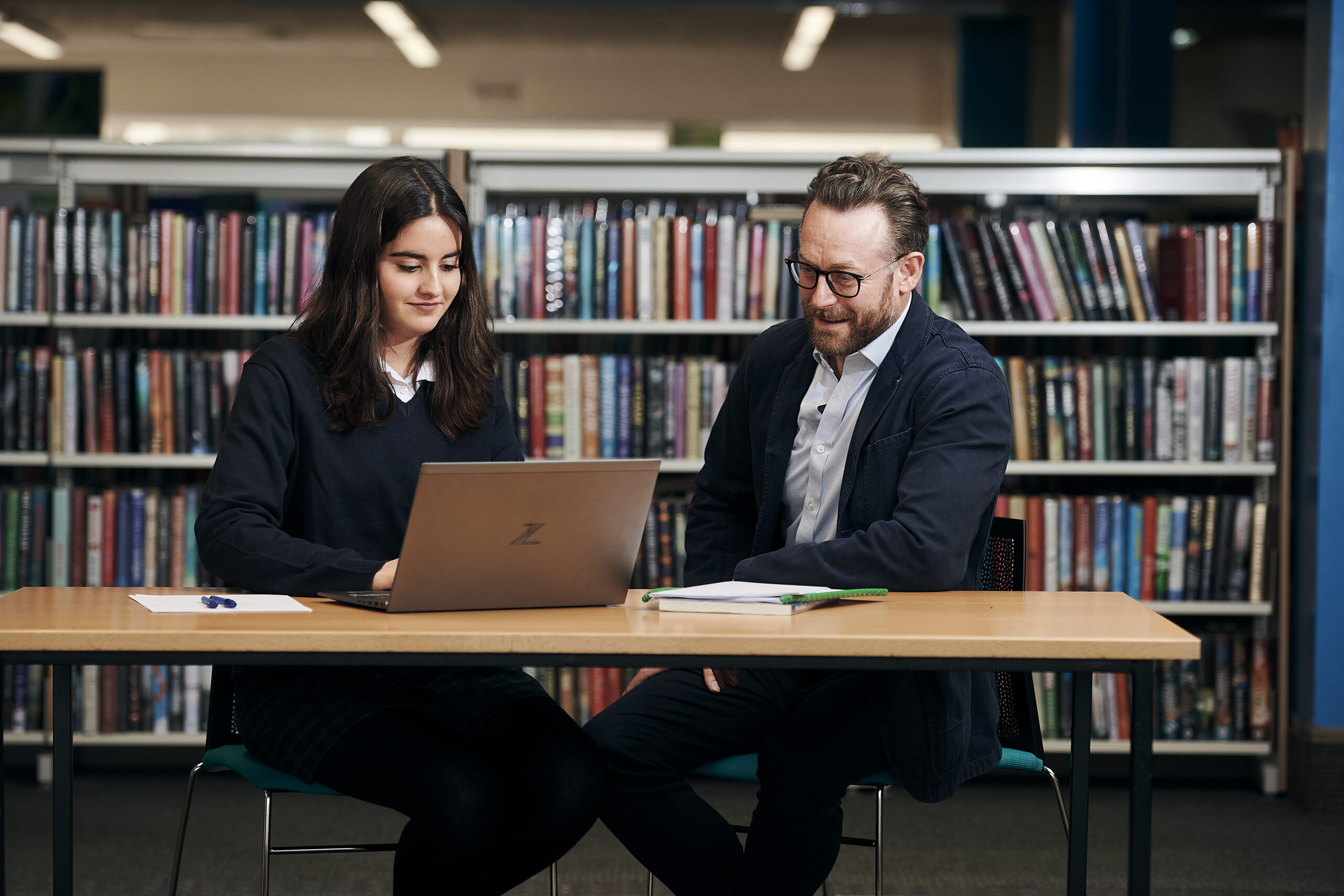
Citizenship and cultural awareness
Through Citizenship education and enrichment opportunities across subjects, students explore their rights and responsibilities, democracy, equality, diversity and contemporary issues.
Our English curriculum also introduces students to different cultures, experiences and perspectives, helping broaden their understanding of the world around them.
Digital confidence
As an online alternative provision, digital literacy is an important part of the learning experience at Academy21.
Students develop skills in using technology responsibly, communicating online and understanding digital safety. Our live, interactive lessons also help students build confidence in an online learning environment.
How can schools strengthen their preparation-for-adulthood provision?
Start conversations early. Give students opportunities to explore their strengths, interests and future goals throughout their education. For young people with EHCPs, ensure preparation for adulthood is included in annual reviews from Year 9.
Connect learning to everyday life. Incorporate practical activities into subjects such as maths, English, PSHE and Citizenship. Budgeting exercises, presentations and real-world problem-solving can help students understand how their learning applies beyond school.
Listen to student voices. Ask young people which skills they feel confident in and where they need more support. The BBC findings demonstrate the value of listening to students’ concerns about their futures.
Offer personalised support. Recognise that students will have different aspirations, starting points and support needs. Flexible approaches can help young people develop independence at a pace that works for them.
Work with families and other professionals. Effective transition planning may involve collaboration between schools, families, careers advisers, local authorities, employers and health or social care services.
Review progress beyond academic attainment. Consider how students are developing confidence, independence, communication and practical skills alongside their qualifications.
For students accessing alternative provision, these considerations matter even more. Planning should keep maintaining educational engagement and building the skills needed for future transitions central.
Preparing young people for life beyond school
By embedding careers education, financial literacy, independence, wellbeing and digital skills throughout the curriculum, schools can help young people approach their futures with greater confidence.
At Academy21, we are committed to helping students develop the knowledge, skills and confidence they need for their next steps. Through live online teaching, a broad curriculum and personalised support, we work alongside schools to help young people continue their education and prepare for the future.
Looking to support students who face barriers to education? Contact Academy21 to explore how our online alternative provision could support your school and learners.
Written by
Academy21
Posted on
27/10/2026
Updated on
27/10/2026


Topic
Student successPost type
Blog