
School exclusion reform: Are we overlooking the role of online AP?

The government’s proposed school exclusion reforms could change how schools manage suspensions and support pupils returning to the classroom. But delivering these changes will require more than updated guidance. Academy21 explores why accredited online alternative provision should be part of the solution.
The Department for Education’s School Exclusion Reform Call for Evidence, launched in October 2026, presents an opportunity to address how schools manage suspensions, focusing on three areas: improving internal suspension, strengthening reintegration support and raising expectations for education during the first five days of suspension or permanent exclusion.
All three are welcome. However, they also raise a practical challenge. Schools are being asked to improve the educational experience of excluded pupils at a time when staffing, space and specialist capacity are already under pressure.
At Academy21, we believe accredited online alternative provision (AP) should be explicitly recognised as one way schools can deliver these reforms.
Could internal suspension do more to prevent exclusion?
The consultation proposes a clearer, time-limited framework for internal suspension, with expectations around supervision, education and appropriate support for vulnerable pupils, including those with SEND. This could encourage schools to use internal suspension more purposefully, as part of a graduated approach to behaviour and reintegration.
But the quality of education available within these spaces can depend heavily on school resources. An internal suspension room may accommodate pupils from different year groups, each studying different subjects and working at different levels. One member of staff may supervise everyone, leaving limited capacity for individual teaching.
Schools therefore face a difficult balance between maintaining a calm environment, addressing behavioural concerns and ensuring pupils continue making academic progress.
Why online AP?
Accredited online AP offers another way to organise learning within these spaces. Through Academy21, pupils can access live, subject-specialist lessons from a supervised room in school, while staff concentrate on pastoral support and the circumstances contributing to their difficulties.
This approach also has potential beyond formal suspension. Where a pupil is beginning to struggle with mainstream classroom demands, temporary access to online teaching within an inclusion space could form part of an earlier intervention.
Combined with appropriate SEND or pastoral support, it gives schools another option before difficulties escalate into repeated suspensions. The consultation should recognise this preventative role.
"Some students, if left without support, would be at real risk of permanent exclusion. Academy21 gave us a practical, high-quality way to keep them engaged in their learning for a given period of time, and safeguard their futures." - Josh McInerney, Raynes Park High School
Why the first five days deserve greater attention
The government’s proposals also seek to improve education during the first five days of suspension or permanent exclusion. Under existing arrangements, schools must set and mark work during this period. In specified circumstances, schools must arrange suitable full-time education from the sixth school day.
However, providing work is different from providing access to teaching. A pupil completing assignments independently may encounter unfamiliar concepts without being able to ask questions or receive immediate explanations. Meanwhile, their classmates continue progressing through the curriculum.
For pupils with SEND or those already experiencing learning difficulties, this can create additional barriers. The consultation recognises the importance of curriculum relevance, accessibility, reasonable adjustments and feedback. These are essential considerations, but schools also need realistic ways to meet them.
Preparing differentiated work, monitoring completion and providing feedback all require staff time. Delivering live subject teaching to pupils outside their usual classrooms can be even harder to arrange

Why online AP?
Academy21 provides live lessons delivered by qualified teachers, along with attendance and progress reporting that lets schools monitor pupils’ learning. With enrolment possible in as little as 48 hours, schools can arrange support at short notice. Online learning won’t be appropriate for every pupil, and decisions must account for individual needs, safeguarding and supervision.
Nevertheless, where suitable, schools should be encouraged to consider accredited online teaching from the beginning of a suspension, not reserve it for pupils experiencing longer periods away from school.
Reintegration starts before a pupil returns
Another proposal is to introduce reintegration support partnerships, involving formal meetings and agreed plans to support pupils after suspension. This is an important development because returning to school doesn’t necessarily resolve the difficulties that contributed to a pupil’s exclusion.
A pupil may return to the same classroom environment, timetable or expectations they previously struggled to manage. For some, additional pastoral support or reasonable adjustments may be enough. Others may need a phased return, allowing them to gradually rebuild confidence and engagement.
During this period, schools need to balance individual support with continued access to education.

Why online AP?
Online AP can contribute by allowing pupils to attend some lessons in their usual classroom while accessing others online. Schools can then adjust the arrangement as the pupil’s circumstances change.
This creates time for pastoral teams, SEND professionals and families to address underlying barriers without requiring a complete break from learning. It also reinforces an important principle within the consultation: reintegration should respond to the pupil’s needs, rather than simply marking the end of their suspension.
What does exclusion mean for belonging?
The proposals also raise a wider question about pupils’ relationships with school. Suspension may be necessary in certain circumstances. However, for pupils who already feel disconnected from their school environment, repeated periods away from lessons can create additional challenges when rebuilding engagement.
As we explored in our article on the Pupil Engagement Framework, feeling safe, valued and connected to education is an important consideration when understanding barriers to engagement.
Schools therefore face a delicate balance. They must respond appropriately to behavioural difficulties while maintaining opportunities for pupils to participate in education and remain connected to their school community, preserving their sense of belonging.
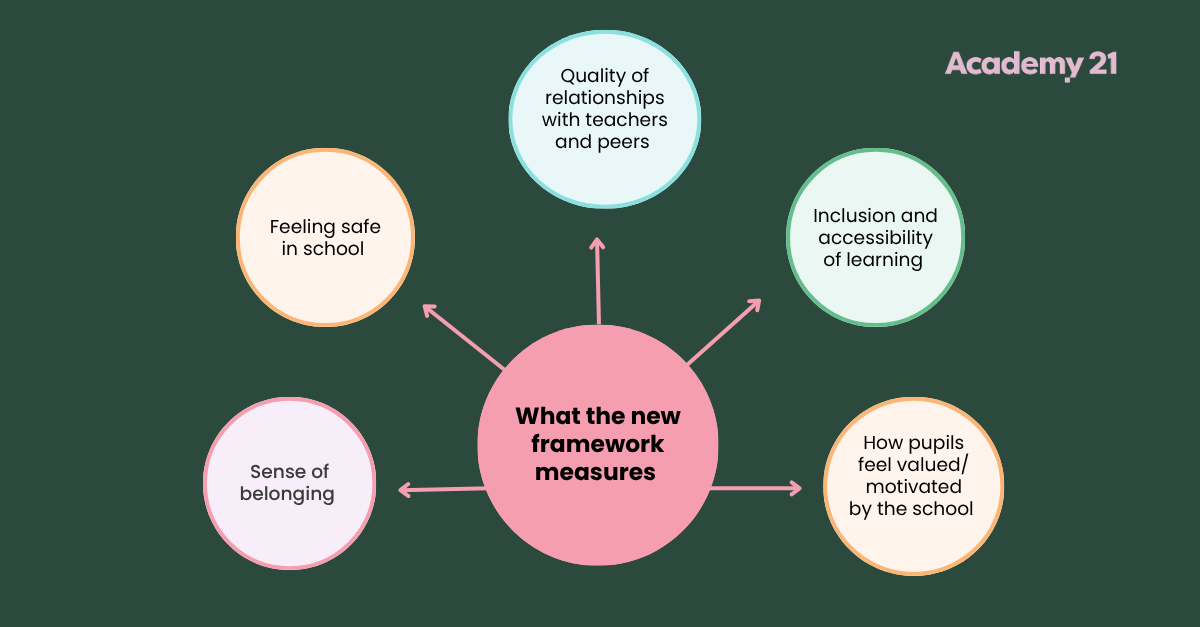
Continuing to attend lessons, even from a different setting, can form part of that support. Live online teaching allows pupils to interact with teachers, ask questions and participate in learning when their usual classroom isn’t accessible.
However, access to lessons alone cannot establish a sense of belonging. Relationships with trusted adults, communication with families and opportunities to reconnect with peers remain essential.
This is why education during suspension and reintegration planning shouldn’t be treated as separate issues. A pupil’s experience while away from their usual classroom can influence how prepared and supported they feel when returning.
What should change in the proposed reforms?
The government’s proposals recognise that pupils need better educational support during suspension. The challenge is ensuring schools have the means to provide it.
Internal suspension requires appropriate teaching and supervision. The first five days demand more than independent work. Reintegration plans need sufficient flexibility to respond to individual circumstances.
These expectations are difficult to deliver without access to additional resources.
As a DfE-accredited online AP provider, Academy21 already works with schools and local authorities to support pupils experiencing exclusion and other barriers to mainstream education.
Our experience demonstrates how schools can access live teaching across different settings while retaining responsibility for pupils’ wider educational, pastoral and safeguarding needs.
The consultation offers an opportunity to clarify the role of this existing provision.
Academy21 recommends that accredited online AP is explicitly recognised within the reforms as an option for structured internal suspension, education during the first five days and phased reintegration.
This recognition should extend to early intervention, enabling schools to consider online teaching within supervised inclusion spaces before difficulties escalate.
The School Exclusion Reform Call for Evidence closes on 19 November 2026.
If the government wants schools to improve education during exclusion, its guidance should recognise the range of provision available to help them do so.
Accredited online AP already offers schools additional teaching capacity. The reforms should clarify how schools can use that capacity appropriately, both on-site and off-site, to support pupils throughout the exclusion and reintegration process.
Explore Academy21’s exclusion support to find out how live online teaching can support your school’s approach to suspension, early intervention and reintegration.