
Flexi-schooling: What is it and how does it work?
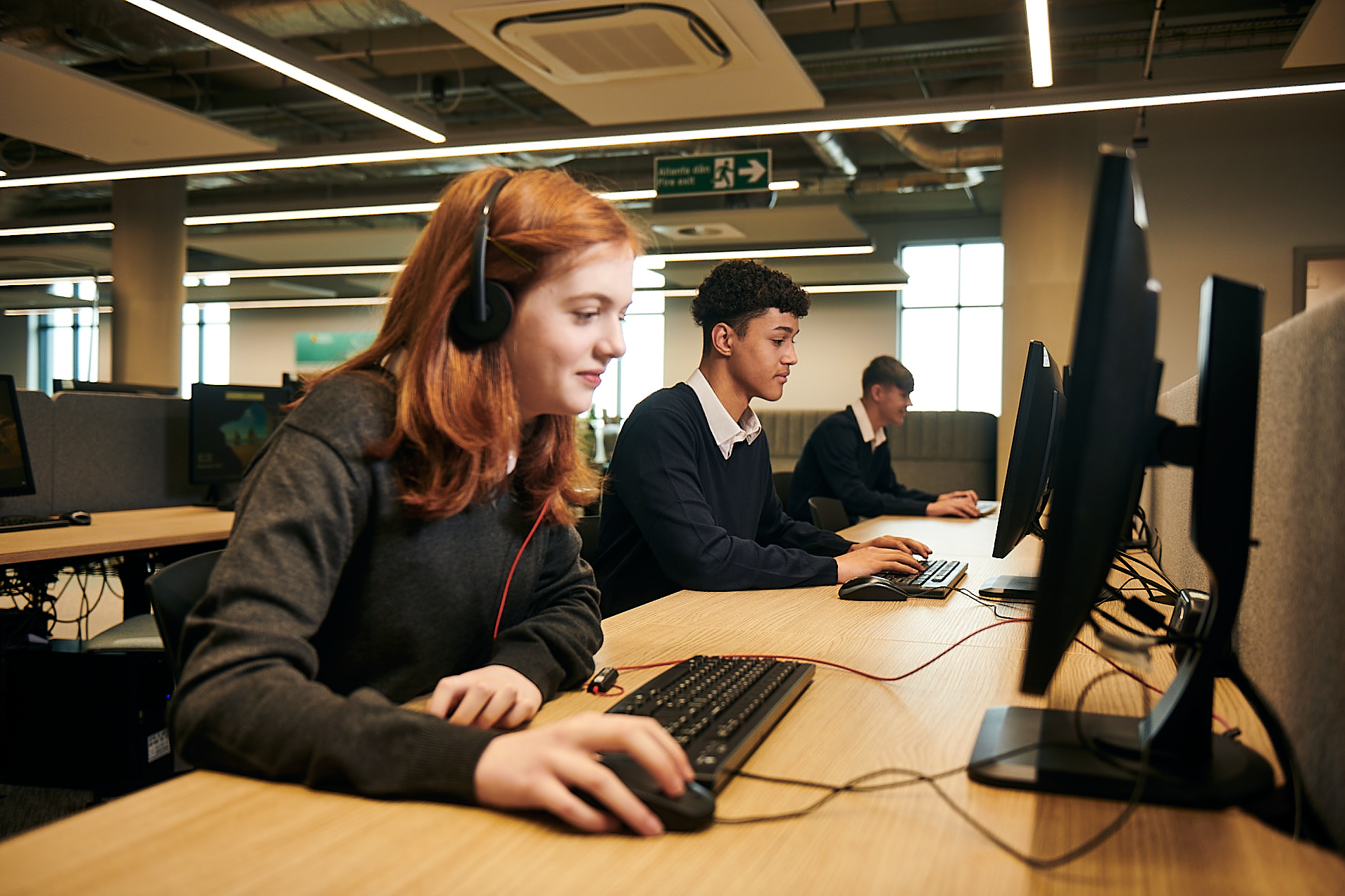
School does not always have to look the same for every child. For some pupils, a five-day school week may not fit their circumstances. They may have significant commitments outside school, need time at home for particular reasons, or benefit from a different balance between learning in school and learning elsewhere.
One option families may come across is flexi-schooling. But what does flexi-schooling actually mean? And how is it different from online alternative provision?
Both can involve a pupil spending some time away from the mainstream classroom, but the educational arrangements – and who is responsible for providing that education – are different.
What is flexi-schooling?
Flexi-schooling is a hybrid arrangement in which a child remains registered at their school but receives part of their education at school and part elsewhere, usually at home.
According to the DfE Guidance for Parents:
- School Roll & Attendance (Section 6.3): If a child undertakes ‘flexi-schooling’, the parent must arrange for absences during flexi-schooling days to be authorised by the school, and the school marks the child in the attendance register as an authorised absence when they are not on site. These absences are viewed by the DfE, Ofsted and others in a flexi-schooling context
- Discretion & Subject Coverage (Section 1.3): Parents may arrange for part of a child’s education to take place at school to cover specific subjects, but schools are not obligated to agree to flexi-schooling requests.
For example, a pupil might attend school three days a week and be educated at home on the other two. The exact pattern will depend on the child’s circumstances and what the school and family agree.
However, a growing network of support helps schools and communities better understand Flexi-Schooling and strengthen inclusion across the education system. Finding the Flex, for example, helps local authorities, trusts and schools implement flexi-schooling safely and effectively, enabling more families to access the arrangement.
Just because a child is educated partially at home doesn’t mean the parent is responsible for their education overall. Online schools like our sister school, King’s InterHigh, and, for more specific needs, online AP like Academy21 can provide structured, live learning and a British curriculum fully virtually. Alongside live teaching and support, we offer universal SEN provision for all students, plus dedicated wellbeing courses and, now, SEN and dyslexia assessments.
How does flexi-schooling work?
There is no single flexi-schooling timetable. A school and family might agree that a pupil attends on particular days each week, for example, with education taking place at home on the remaining days. The arrangement should clearly state when the pupil is expected to attend school and when they will be educated at home. It should also establish how the arrangement will work in practice, including:
- the pupil’s attendance pattern
- the education provided at home
- how attendance is recorded
- how learning and progress will be monitored
- how the arrangement will be reviewed.
Importantly, there should be a clear plan for how their education will continue across both settings, and the plan should be regularly reviewed by the headteacher and the family.
Why might a pupil be flexi-schooled?
There are different reasons why a family might explore flexi-schooling. A pupil may have significant commitments outside school, such as elite sport or performing arts, which make a conventional school week difficult to manage. A family may also feel that combining school attendance with education at home better fits their child’s needs or circumstances.
If a pupil is struggling to attend because of anxiety, SEND, illness, disengagement or another barrier, the first question should be what is preventing them from accessing education. While flexi-schooled children are receiving a full education, additional support within school or a temporary intervention via alternative provision specialists may also be a suitable pathway.
With alternative provision (AP), education is arranged outside the pupil’s usual mainstream setting because they cannot, or are struggling to, access it. The DfE’s guidance covers alternative provision for pupils who, because of exclusion, illness or other reasons, would not otherwise receive suitable education.

What is online alternative provision?
Online alternative provision uses digital learning to educate pupils who cannot access mainstream school in the usual way.
The model can therefore give schools greater flexibility over where a pupil learns, without transferring responsibility for their education to their parent.
At Academy21, students access live, teacher-led online lessons, with provision designed around individual circumstances. We currently offer a comprehensive curriculum from Key Stage 2 to Key Stage 5, alongside comprehensive wellbeing and academic support.
How can online AP work alongside mainstream school?
Online AP does not necessarily mean a pupil leaves their school completely. Academy21’s model can support a hybrid approach, where a pupil combines time in their mainstream setting with online alternative provision (essentially the same structure as flexi-schooling).
For example, a student may initially access our lessons from home. As they progress, they can move towards accessing some Academy21 classes from school within an inclusion base, before potentially rejoining some mainstream classes. A staged approach is critical to an effective reintegration model.

When might online AP be more appropriate?
No single solution exists for pupils who find mainstream education difficult to access. Flexi-schooling may be appropriate when a family wants to combine school with parent-led home education and the school agrees it suits the pupil.
However, for a pupil with specific needs, be it mental health challenges, a medical condition, or a vulnerable situation at home, a different approach may be needed. Online AP can provide:
- continuity of education while a pupil is away from their usual classroom
- live teaching from qualified teachers who are also trained in relational and trauma-informed practices
- a targeted, calm environment with small live classes for students to reset and regain confidence
- a structured route towards re-engagement and, where appropriate, reintegration
- flexibility in the education arrangements and timetables, as support can be scaled up or down depending on need
Is flexi-schooling right for every pupil?
Flexi-schooling is an option, not an entitlement, and schools are not obligated to agree to a request. Before agreeing to an arrangement, schools and families should consider:
Why is flexibility needed?
The reason behind the request should be clear. A child with an intensive sporting commitment may have very different needs from a pupil who is struggling to attend because of anxiety, illness or another barrier.
Can suitable education be provided at home?
Can parents or carers manage the education on flexi-schooling days, or would the child be better placed in an accredited online school?
Would alternative provision be more appropriate?
Where the barrier is access to the school environment, a flexi-schooling arrangement may help, or, an alternative provision solution may provide more structured support while keeping the pupil engaged in education.
Choosing the right form of flexibility
Flexi-schooling, temporary part-time timetables, or even learning from home entirely can all introduce much-needed flexibility into a pupil’s education. If your students are showing signs of disengagement in school lessons or exhibiting disruptive behaviours, a change to their current setup might help, and it’s always more effective to intervene early.
At Academy21, we offer complete flexibility in contracts and arrangements, providing both short-term placements for students with specific needs and long-term solutions for those with more complex challenges. Plus, access to classes and pastoral support can scale up or down as the student progresses, making it more budget-friendly and effective for eventual reintegration.
Reach out to our friendly team to learn more about how we can support you or refer a student.
Written by
Academy21
Posted on
08/09/2026
Updated on
13/09/2026


Topic
Hybrid provisionPost type
Blog